Disclosure: As an Amazon Associate we earn from qualifying purchases.
For stage and theater productions, the best 3d printer for stage theater prop weapons is one that combines a generous build volume, reliable bed adhesion, and the ability to handle tough yet lightweight materials like PLA+, PETG, and LW-PLA foaming filament. Theater prop weapons — swords, daggers, axes, rifles, blasters, ceremonial staves, and fantasy hammers — need to look heroic from the back row, feel light enough for actors to wield safely through long fight scenes, and survive nightly choreography without cracking. This 2026 guide walks costume shops, technical directors, scenic designers, and prop masters through exactly what to look for when picking the right machine for the job.
What Makes a 3D Printer Right for Theater Prop Weapons?
Theater props live a strange double life. Under stage lights they must read as forged steel, hammered bronze, or futuristic polymer, but in an actor's hand they need to weigh almost nothing and absolutely cannot injure a scene partner during a stage combat sequence. That dual demand shapes every printer-buying decision a prop shop makes.
When shopping for best 3d printer for stage theater prop weapons, it pays to compare specs, capacity, and real-world runtime before committing.
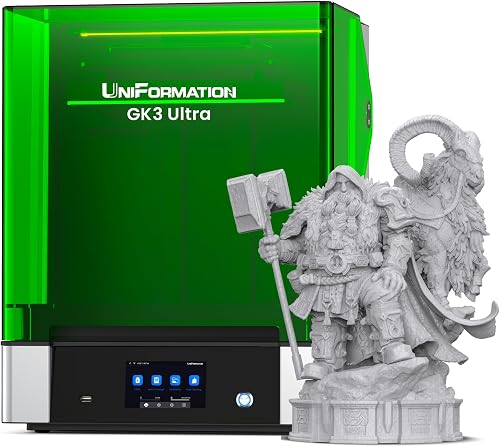
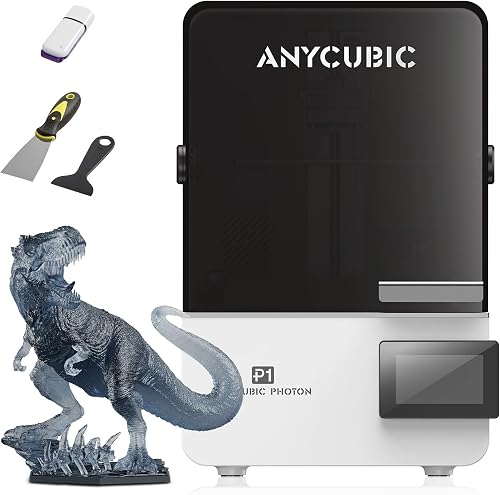
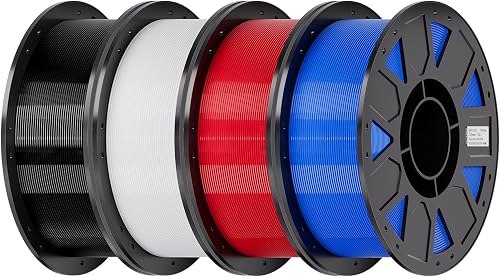
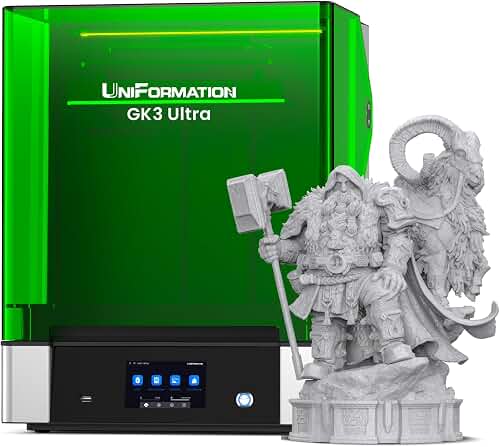
When evaluating the best 3d printer for stage theater prop weapons, four characteristics rise above all others: build volume large enough to print sword blades and rifle stocks in as few pieces as possible, material flexibility to accept foaming filaments and impact-resistant blends, fast and reliable printing because production calendars are unforgiving, and a surface finish smooth enough to take paint, patina, and aging treatments without endless sanding.
Build Volume: Bigger Is Almost Always Better
A katana blade is roughly 700 mm long. A claymore can push 1300 mm. Even a sawed-off shotgun prop runs about 450 mm. Most desktop FDM printers cap out around 220 × 220 × 250 mm, which means almost every theatrical weapon will require sectioning into two, three, or even four pieces joined with dowels, epoxy, or printed mortise-and-tenon joints.
For prop shops producing weapons for a full season, a larger-format printer in the 300 × 300 × 350 mm range cuts assembly labor dramatically. If you anticipate frequent polearms, broadswords, or rifles, look at the best large format 3D printers category specifically — the time saved bonding fewer joints typically pays for the larger machine within one or two productions.
FDM vs Resin: Which Technology Fits the Stage?
Fused deposition modeling (FDM) is the workhorse for prop weapons. It uses spooled filament, supports large build volumes, accepts a huge range of materials, and produces parts strong enough to take a stage hit. Resin (MSLA) printers produce gorgeous fine detail — perfect for engraved pommels, jeweled hilts, ornate trigger guards — but their parts are heavier per cubic centimeter, more brittle, and trapped inside much smaller print volumes.
The pragmatic answer for most shops is to own both. Print the structural body of a weapon in lightweight FDM filament and resin-print only the decorative accents that need fine detail. If you're new to either technology, the FDM vs resin 3D printer guide walks through the trade-offs in depth.
Material Matters More Than the Printer
The single biggest weight reduction in theatrical 3D printing comes from foaming filaments such as ColorFabb LW-PLA or Polymaker PolyLite LW-PLA. Activated at higher print temperatures, these filaments expand up to three times their normal density, producing parts that are roughly 60% lighter than standard PLA while keeping a printable, paintable surface. A foamed PLA broadsword blade can weigh under 400 grams — lighter than a wooden rehearsal sword — yet print at near-normal speeds.
For high-impact areas (sword crossguards, rifle stocks, hammer heads taking nightly contact), PETG or PLA+ offer better impact resistance than standard PLA without the warping problems of ABS. Avoid plain ABS for theater unless you have a fully enclosed printer with active ventilation — the styrene fumes are not appropriate for a costume shop environment.
Print Speed and Reliability for Production Schedules
A typical regional theater builds props in the two-to-four week window between design freeze and tech rehearsal. A broadsword printed in three sections may consume 30+ hours of print time per section on an older machine. Modern CoreXY printers running input shaping and pressure advance can cut that to under 10 hours per section without sacrificing surface quality.
For shops running multiple shows a season, the best high-speed 3D printers roundup is worth reviewing — the difference between a 60 mm/s and a 300 mm/s machine is the difference between finishing the prop list before tech and pulling all-nighters in the shop.
Enclosure, Filtration, and Shop Safety
Costume and prop shops are often shared workspaces with stitchers, dyers, painters, and student crews moving through. A fully enclosed printer with a HEPA + carbon filter is far more appropriate than an open-frame machine venting ultrafine particles into the room where dancers warm up. Enclosures also stabilize chamber temperature for warp-prone materials and dampen the high-frequency stepper whine that disrupts a nearby rehearsal room.
Browse the best enclosed 3D printers if you share floor space with performers or work in a school where indoor air quality reporting matters.
Key Features Checklist for Prop Shops
- Auto bed leveling: Essential. Prop volunteers and student crew should not be hand-tramming a bed at 11 PM.
- Direct-drive extruder: Handles flexible TPU for grips, gauntlet straps, and shock-absorbing inserts.
- Hardened nozzle: Foaming and carbon-fiber filaments will chew through brass in days.
- Network printing: Send files from the design office to the shop without USB sneakernet.
- Pause-at-layer: Critical for embedding magnets in scabbards or steel rods in blades.
- Filament runout sensor: A 28-hour overnight print failing at hour 26 is a production-killer.
- Replaceable build plate: PEI spring steel sheets survive thousands of removals; glass beds crack.
Embedding Rods, Magnets, and Breakaway Sections
Almost no printed weapon makes it to stage without internal reinforcement. A 6 mm fiberglass or carbon rod running the length of a printed sword blade prevents the blade from snapping during a parry. Neodymium magnets at the hilt allow quick-release breakaway gags for fight choreography. Steel inserts in hammer heads provide realistic mass distribution.
To embed these elements cleanly, your printer's slicer must support a layer-pause command and your firmware must hold position without drooping during the pause. Klipper-based printers and modern Marlin builds both handle this well; some older printers cool the hotend during long pauses and clog on resume. Test the pause workflow before committing the printer to a tight build schedule.
Finishing: Where Theater Magic Happens
Even the best printed weapon arrives off the build plate looking like a printed weapon. Stage-ready props need filler primer, wet sanding, metallic basecoats, washes, dry-brushed highlights, and clear matte topcoats. Choose a printer whose surface quality minimizes the sanding stage. Resonance-compensated motion (input shaping) virtually eliminates the ghosting and ringing that used to require hours of sanding before primer.
A 0.6 mm or 0.8 mm nozzle prints prop weapons two to three times faster than the standard 0.4 mm nozzle, and the slightly chunkier layer lines disappear under a single coat of high-build primer. For prop work, larger nozzles are usually the right call.
Budgeting for a Theater Prop Shop
A capable single-printer setup for a small theater company runs $500–$900 in 2026. A dual-printer FDM + resin combination that covers every weapon type ranges from $900 to $1800. Add roughly $200–$400 per season for filament, resin, replacement nozzles, and bed plates. The 3D printer budget guide breaks total cost of ownership down by production volume.
For school programs and community theaters, also factor in the cost of a fireproof printer enclosure cabinet, a smoke detector dedicated to the print area, and at minimum one carbon monoxide alarm if the printer runs unattended overnight.
Workflow: From Designer's Sketch to Stage Prop
The most efficient prop shops standardize a workflow: the designer sketches the weapon, a CAD operator models it in Fusion 360 or Blender, the model is sectioned for the printer's build volume in the slicer, test prints validate joinery, full prints run overnight, finishing happens during the day, and reinforcement rods are bonded in during assembly. A printer that runs reliably unattended overnight is worth more than one with marginally better specs that needs babysitting.
Frequently Asked Questions
Can a 3D printer make a stage sword strong enough for stage combat?
Yes — with the right material and internal reinforcement. A foaming PLA blade printed with 15% gyroid infill and a 6 mm fiberglass rod running the full length will survive a full run of stage combat. The reinforcement rod is non-negotiable; pure printed blades will eventually snap at the hilt junction under repeated impact.
What is the best filament for lightweight theater prop weapons?
Lightweight foaming PLA (LW-PLA) is the gold standard for blades, polearms, and rifle bodies because it can be 40–60% lighter than standard PLA. For impact-prone components like crossguards and hammer heads, PETG or PLA+ offer better toughness. TPU works well for grip wraps and shock-absorbing inserts. Avoid plain ABS unless your shop has dedicated ventilation.
How long does it take to 3D print a full-size sword for theater?
A 100 cm broadsword printed in three sections on a modern high-speed printer with a 0.6 mm nozzle takes roughly 18–28 hours of total print time, spread across three overnight runs. Assembly and finishing add another full day. Compared to traditional foam-and-fiberglass swordmaking, that's a wash on time but produces a more consistent, repeatable prop.
Do I need a resin printer for detailed prop hilts and ornaments?
Not strictly necessary, but very helpful. FDM with a 0.4 mm or 0.3 mm nozzle can produce decent ornamental detail, but resin captures the engraved scrollwork, jeweled inlays, and crisp filigree that read beautifully under stage lights. Many shops print the structural body in FDM and bond resin-printed decorative pieces on top — the best of both technologies.
Are 3D printed weapons safe for actors to use on stage?
When properly designed, yes. The key safety practices are: keep total weapon weight under what the actor can comfortably handle for the full duration of the scene; round all edges; reinforce blades with internal rods to prevent shattering; use breakaway magnetic joints for any weapon that contacts another performer; and inspect every weapon before each performance for cracks or loose hardware. Always involve your fight director in prop weapon design and have a stunt coordinator approve any weapon used in contact choreography.
What build volume do I actually need for theatrical prop weapons?
For most theatrical work, 300 × 300 × 350 mm is the sweet spot — it prints daggers, axes, and pistols in single pieces and limits longer weapons to two or three sections. Below 220 × 220 × 250 mm you'll be sectioning even modest props into many pieces. Above 350 mm cubed you start hitting diminishing returns unless you're regularly printing two-handed weapons.
How much does it cost per print to make a theater prop sword?
In materials alone, a foaming PLA broadsword consumes roughly 400–600 g of filament at about $25–$35 per kilogram in 2026, putting raw material at $15–$25. Add internal reinforcement rod ($3–$8), filler primer and paints ($10–$20), and roughly 4–6 hours of skilled finishing labor. A finished printed broadsword runs $50–$120 in materials plus shop labor — dramatically less than commissioning a custom prop and infinitely repeatable for understudies and tour replacements.
Final Thoughts for Prop Shops in 2026
The right 3D printer for a theater prop shop is rarely the flashiest or the fastest — it's the one that finishes every print, fits the shop's airflow and acoustic constraints, and produces parts your team can finish quickly under tight production deadlines. Prioritize build volume, material flexibility, and unattended reliability above all other specs. If you're still narrowing the field, the broader 3D printer buying guide can help you cross-shop categories before committing to a specific machine for your shop.
Key Takeaways
- Choosing the right best 3d printer for stage theater prop weapons means matching the key features to your specific needs and budget
- Read real customer reviews and check the return policy before you commit
- Also covers: 3d printer for community theatre prop shop
- Also covers: large bed printer for sword and dagger props
- Also covers: lightweight prop weapon 3d printer
- Compare value across models — the priciest option is not always the best fit