Disclosure: As an Amazon Associate we earn from qualifying purchases.
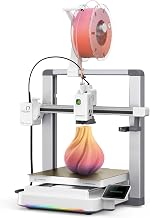
If you keep bees and want to print your own gear, the best 3d printer for beekeeping hive parts in 2026 is a mid-size FDM machine with a build volume of at least 250 x 220 mm, a hardened nozzle that can handle PETG and PLA+, and an enclosed or semi-enclosed chamber so prints stay dimensionally accurate across long jobs. Beekeepers print Langstroth and Warre frame components, top-feeder reservoirs, entrance reducers, queen excluders, mouse guards, and nuc-box hardware. None of these require resin-level detail, but they do demand watertight walls, UV-resistant material, and precise tolerances so frames slide into hive boxes without binding. A reliable, mostly hands-off FDM printer is the right tool for the job.
Why FDM beats resin for hive components
Apiary parts live outdoors. They get rained on, baked by sun, scraped with hive tools, and chewed by curious bees. Resin printers produce stunning miniatures, but standard photopolymer resins become brittle in UV light and can leach unreacted monomers if not post-cured perfectly. Filament printers using PETG, ASA, or PLA+ produce parts that are tougher, easier to sand or drill, and far cheaper per gram once you start producing dozens of frames or feeders. If you want a deeper comparison of the two technologies before deciding, our FDM vs resin 3D printer guide walks through the trade-offs for functional outdoor parts like these.
When shopping for best 3d printer for beekeeping hive parts, it pays to compare specs, capacity, and real-world runtime before committing.
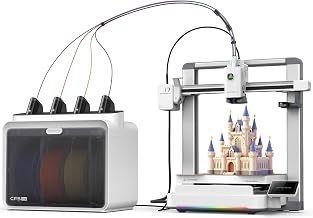
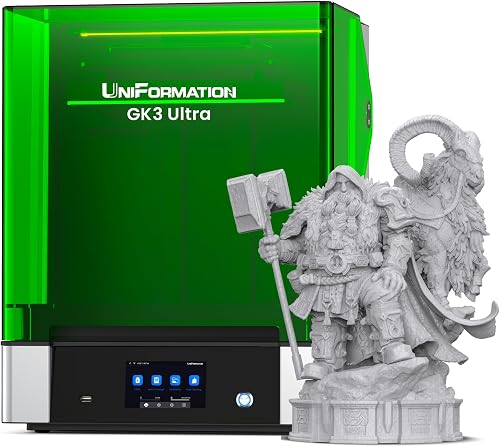
For most hive applications, you want PETG for outdoor feeders and entrance reducers (UV stable, food-contact friendly when printed from virgin pellets), ASA for components in direct sun all summer, and PLA+ for indoor inspection trays, queen-marking cages, and prototypes. Cheap PLA will warp on a hot hive lid by mid-July, so treat it as a prototyping material rather than a long-term solution.
What to look for in a 3D printer for beekeeping
Beekeepers have slightly different priorities than miniature painters or cosplay makers. Here is what actually matters when you are evaluating the best 3d printer for beekeeping hive parts:
Build volume large enough for a full frame side
A standard Langstroth deep frame measures roughly 448 mm long by 232 mm tall. You will almost never print a full frame in one piece, but printing a complete top bar or side bar in a single pass eliminates weak glue joints. A bed of at least 250 x 220 mm lets you lay frame sides diagonally; 350 mm or larger opens the door to full top bars and one-piece feeder lids. If you need that extra real estate, browse our roundup of best large format 3D printers to see what is available in 2026.
Enclosed or semi-enclosed chamber
An enclosure stabilizes chamber temperature, which keeps PETG and ASA from warping and lifting during long prints. It also contains fumes from ASA and ABS, which you do not want drifting through the house. Honey supers and feeder reservoirs often print for 8-14 hours, and an open-frame printer in a drafty garage will produce visibly worse layer adhesion than the same printer inside an enclosure. Our list of best enclosed 3D printers is a good starting point if you live in a cold climate or print engineering-grade materials.
Hardened nozzle and direct-drive extruder
PETG strings less and feeds more reliably through a direct-drive extruder than a Bowden setup. If you plan to experiment with glass-filled or wood-filled filaments (some beekeepers like wood-PLA for inspection boards because it looks natural in the apiary), a hardened steel or ruby-tipped nozzle prevents accelerated wear.
Heated bed that hits at least 90 °C
PETG sticks best to a clean PEI sheet at 80-90 °C. ASA needs 100-110 °C plus an enclosure. Any printer with a bed limited to 60 °C will fight you on every print that is not PLA.
Reliable bed leveling and minimal babysitting
Beekeeping is already time consuming. You do not want to be re-leveling a bed every other print. Modern auto-leveling probes, input shaping, and remote monitoring (camera plus phone app) let you start a frame side in the morning, work the bees, and come back to a finished part. If bed leveling is new to you, see how to level a 3D printer bed.
Categories of beekeeping prints and which printer features matter most
Frame components (top bars, side bars, end bars)
These are the bread and butter of a 3D-printed apiary. They need dimensional accuracy within about 0.3 mm so they drop into standard hive bodies without forcing. A printer with a well-tuned input-shaping system and a stiff frame produces flat, square parts that do not bow after cooling. Print in PETG with three perimeters and 30-40% gyroid infill for a frame that survives years of extraction.
Top feeders and entrance feeders
Feeders hold sugar syrup, so wall thickness and watertightness matter more than aesthetics. Use four perimeters minimum and 0.2 mm layer height for leak-free reservoirs. Some beekeepers post-coat the inside with food-safe epoxy as belt-and-suspenders insurance. A printer with reliable extrusion (no under-extrusion gaps) is critical here.
Entrance reducers, mouse guards, and robbing screens
These are small, fast prints that benefit from a quick-and-quiet printer you can run in a home office. A compact, fast machine like those in our best high-speed 3D printers roundup will churn out a season's worth of reducers in a weekend.
Queen excluders and queen-marking tools
Queen excluder slot spacing is tight (around 4.2 mm). A printer that holds tolerances and produces clean overhangs without sagging will save you from filing every slot by hand.
Nuc boxes and swarm traps
These are large prints often done in pieces and bolted together. A large bed reduces the number of seams, and ASA gives you a UV-stable shell that survives a season strapped to a tree.
Filament choices for hive parts
The filament matters as much as the printer. PLA is fine indoors but warps in direct sun above about 55 °C, which a black hive lid will easily hit in July. Read our PLA filament guide to understand its limits, then plan to keep PLA for prototyping and indoor accessories.
For production hive parts, the practical hierarchy is:
- PETG — the workhorse. UV resistant enough for shaded components, food-contact safe when printed cleanly, and forgiving on most printers.
- ASA — the upgrade. UV stable for years of direct sun, stronger than PETG, but needs an enclosed printer and ventilation.
- PLA+ / Tough PLA — useful for indoor jigs, queen cages, and inspection trays.
- PETG-CF or PA-CF — overkill for most beekeepers, but worth it for high-stress parts like extractor components.
Three printer profiles that fit beekeepers
The all-rounder workshop printer
If you want one machine that handles everything from entrance reducers to nuc-box panels, look for a mid-size CoreXY or bedslinger with a 250 x 250 mm bed, an enclosure (or easy-to-add aftermarket one), a direct-drive extruder, and a bed that hits 100 °C. Machines in this class print PETG reliably out of the box and can be pushed to ASA with minor tuning. Our 3D printer buying guide covers the spec sheet items that separate good all-rounders from compromised ones.
The high-volume frame factory
If you run 20+ hives and want to replace wooden frames with printed ones at scale, prioritize speed and uptime. Look for input shaping, a high-flow hotend (around 30 mm³/s), and a build plate large enough to nest multiple frame sides per print. Camera monitoring lets you babysit remotely. Expect to burn through 1-2 kg of PETG per week during peak season.
The budget beginner setup
If you are new to printing and want to test the waters before investing, a sub-$300 bedslinger with auto-leveling is plenty for entrance reducers, feeders, and small hardware. You will be limited to PLA and PETG, you will manually upgrade the enclosure later, but you can absolutely print a season's worth of accessories. Start with our best 3D printers for beginners picks, or check the 3D printer budget guide for what to expect at each price point.
Food-safety and bee-safety considerations
Bees are insects, not humans, but you still want to avoid leaching chemicals into syrup or honey. A few practical rules:
- Use virgin filament from a reputable manufacturer. Recycled or unknown-source filament can contain heavy-metal pigments.
- Print with a stainless-steel or food-safe-coated nozzle if the part will contact syrup or honey directly.
- For feeders, line the interior with food-safe epoxy or print in a smooth-walled design that you can clean and sanitize between seasons.
- Avoid ABS for any part that contacts bees or feed. Stick to PETG or food-grade PP.
- Replace any cracked or weathered printed part promptly — bees will propolize cracks and the part becomes a permanent fixture.
Maintenance considerations for a beekeeping print farm
Beekeeping is seasonal, which means your printer may sit idle from October through March in northern climates and then run 18 hours a day from April through September. Before each season:
- Re-tram the bed and run a fresh PID tune on the hotend.
- Replace the nozzle if you printed any abrasive material the prior year.
- Clean the extruder gears — PETG dust accumulates and causes slipping.
- Lubricate linear rails or lead screws per the manufacturer's schedule.
For a full pre-season checklist, see our guide on how to maintain a 3D printer.
Designing your own hive parts vs. downloading STLs
Sites like Printables and Thingiverse have hundreds of beekeeping designs — Langstroth frames, top-bar hive components, candy boards, Apivar strip holders, and more. Start with proven downloads, print a test piece, and verify the dimensions against your existing hive boxes before committing to a full batch. Hive boxes vary slightly between manufacturers (Mann Lake, Dadant, Kelley), so a frame that fits one brand may bind in another. Once you are comfortable, Fusion 360 and FreeCAD make it straightforward to design custom parts like apiary nameplates, custom entrance reducers sized to your specific climate, or modified inner covers with built-in feeder ports.
Frequently Asked Questions
Can you 3D print Langstroth hive frames that bees will actually use?
Yes. Bees readily draw comb on printed frames, especially when you add a thin coat of melted beeswax to the surface to make it familiar. Print in PETG with at least three perimeters and avoid PLA, which can warp during summer heat or during honey extraction at warm temperatures. Many beekeepers report that printed frames last longer than wooden ones because they do not rot or harbor wax moths in cracks.
What filament is safe for bee feeders and syrup containers?
PETG made from virgin, food-contact-rated pellets is the most popular choice. It is dishwasher-safe (top rack only, low temperature), UV stable in shaded positions, and easy to print with watertight walls. Avoid ABS, ASA, and most exotic filaments for direct syrup contact. For extra peace of mind, line the inside of a printed feeder with food-safe epoxy after printing.
What build volume do I need to print full beekeeping frames?
A standard Langstroth deep frame is about 448 mm long and 232 mm tall. You will not fit a complete frame on most consumer printers, but a 250 x 220 mm bed can print full top bars and side bars individually. If you want one-piece frame sides, look at large-format machines with beds of 350 mm or more.
Are 3D-printed queen excluders effective?
They work well if your printer holds tight tolerances. The critical dimension is the slot width — queens cannot pass through gaps narrower than about 4.2 mm, while workers can. Print queen excluders flat on the bed with no supports, use a 0.4 mm nozzle for cleaner slots, and verify slot dimensions with calipers before deploying.
How long does a 3D-printed hive component last outdoors?
PETG parts in shaded positions can last five years or more. ASA in full sun has performed well over multi-year apiary tests because of its UV resistance. PLA, even outdoor-rated variants, tends to embrittle within one or two seasons in direct sunlight. Expect to replace feeders and entrance reducers every couple of seasons regardless of material, simply because of wear from hive-tool scraping and propolis buildup.
Do I need a resin printer for any beekeeping parts?
Almost never. Resin printers excel at small, highly detailed parts like queen-marking cages or hive-numbering badges, but the brittleness and UV sensitivity of standard resins make them poor for functional outdoor parts. If you already own a resin printer for miniatures, you can use it for indoor accessories, but a single FDM machine handles 95% of beekeeping needs.
Can I print honey extraction components like uncapping forks or strainers?
Yes for low-stress parts like uncapping rollers or strainer frames, but be cautious with any part that contacts hot honey. PETG softens around 70-80 °C, which is fine for cold-flow extraction but marginal if you warm honey before bottling. For extractor cages and reel components, consider PETG-CF or stick with metal. Always use food-safe filament and a clean printing setup for anything that touches harvested honey.
Key Takeaways
- Choosing the right best 3d printer for beekeeping hive parts means matching the key features to your specific needs and budget
- Read real customer reviews and check the return policy before you commit
- Also covers: 3d print bee hive feeder
- Also covers: food safe printer for apiary
- Also covers: langstroth frame 3d printing
- Compare value across models — the priciest option is not always the best fit